
LAUNCH YOUR
BEAUTY PRODUCT IDEA IN 90 DAYS

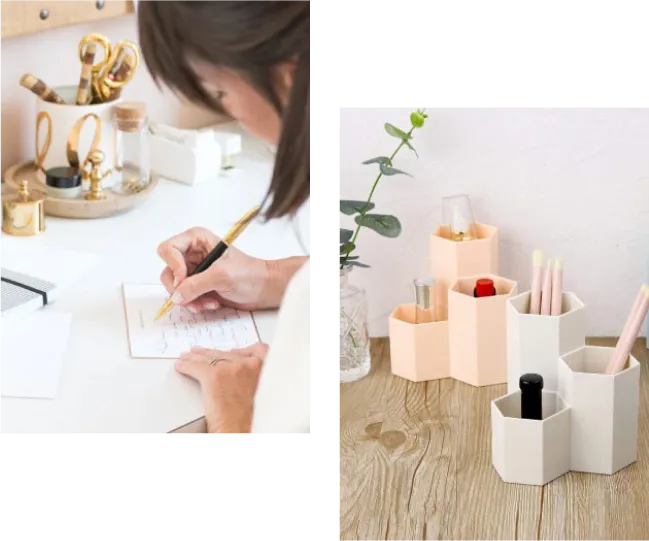
Let's Make Your Vision A
Reality
At Brittney Brands LLC, we specialize in customizable promotional items designed to elevate your brand's visibility. With a wide range of products tailored for effective marketing campaigns, we empower businesses to make a lasting impression on their audience.
Our mission is simple: to provide innovative marketing solutions that meet and exceed our clients' needs. From branded apparel to tech gadgets, we offer a diverse selection of practical and memorable promotional items for every occasion.
Your Customizable Marketing Merchandiser
Elevate Your Brand and Leave a Lasting Impression with Personalized Promotional Solutions Tailored to Your Business Needs. Stand Out in the Market, Engage Your Audience, and Drive Results with Customizable Merchandise from BrandBoost.
Shop By Categories
Discover the perfect promotional items to elevate your brand and leave a lasting impression with our Shop by Category section. Whether you're looking for branded apparel, tech gadgets, office essentials, or eco-friendly products, we have everything you need to make a statement in your marketing campaigns.


What Client Our Says About Us

Company Name should look
for ones that are specific,
detailed, and highlight the
unique benefits of working with
the company.
Alex John Martin
Manager
Company Name should look
for ones that are specific,
detailed, and highlight the
unique benefits of working with
the company.
Alex John Martin
Manager
Company Name should look
for ones that are specific,
detailed, and highlight the
unique benefits of working with
the company.
Alex John Martin
Manager
Frequently Asked Question
Welcome to our FAQs section, where we address common questions and provide helpful answers about our services as a marketing merchandiser specializing in customizable promotional items. Whether you're new to promotional merchandise or a seasoned marketer looking to enhance your brand's visibility, our FAQs are here to provide clarity and guidance.

Can I customize the promotional items with my company logo?
Yes, we offer customization options to showcase your brand identity.
What types of promotional items do you offer?
We provide a diverse range of customizable merchandise for marketing.
What is the minimum order quantity for personalized items?
Minimum order quantities vary depending on the selected product.
How long does it take to receive my customized items?
Production times vary but are typically within 7-10 business days.
Do you offer rush shipping options for urgent orders?
Yes, we offer expedited shipping options for time-sensitive orders.
See Our Latest Blogs
Stay up-to-date with our latest insights, tips, and trends by diving into our newest blogs. Whether you're seeking industry expertise, marketing strategies, or product inspiration, our blog section is your go-to resource for valuable content.
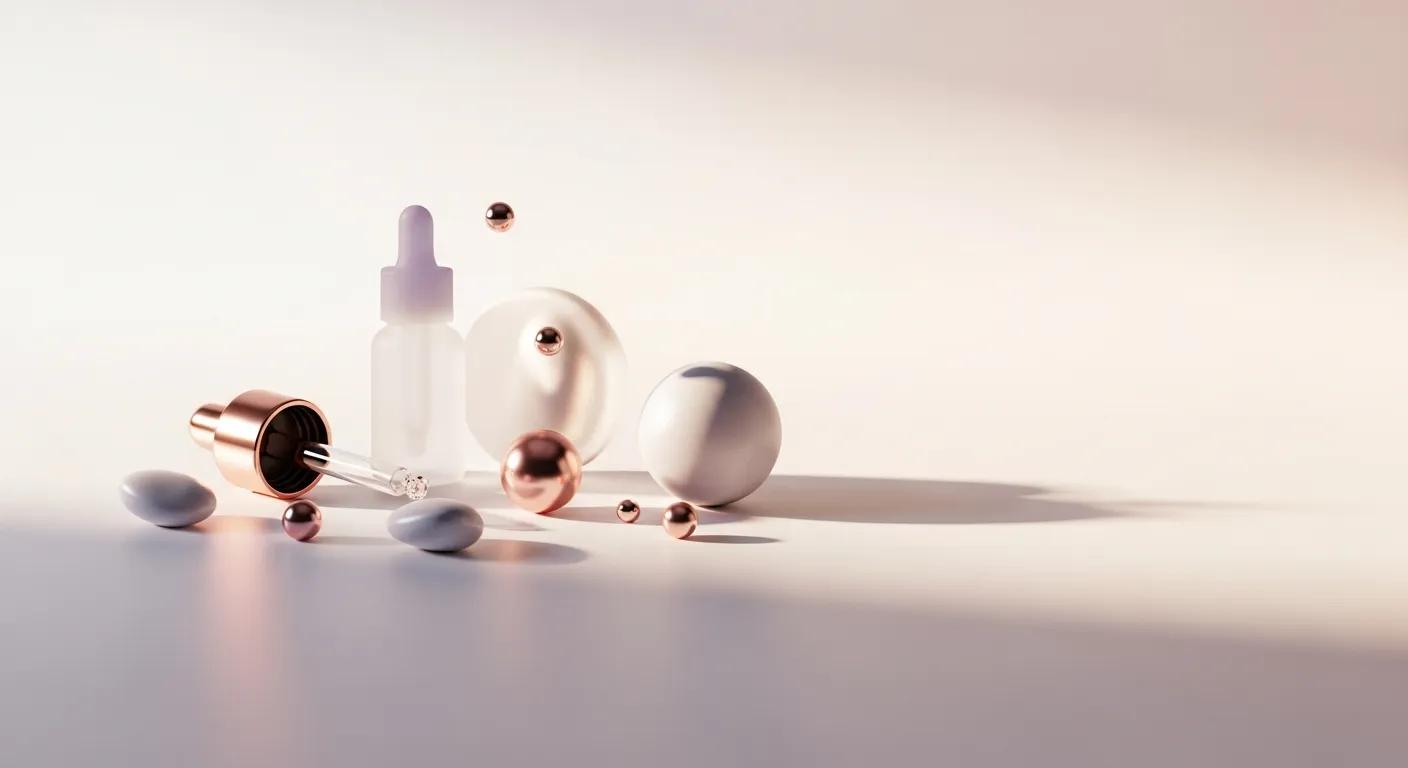
The Ultimate Guide to Private Label Cosmetics for Your Brand
Launch Your Custom Beauty Brand
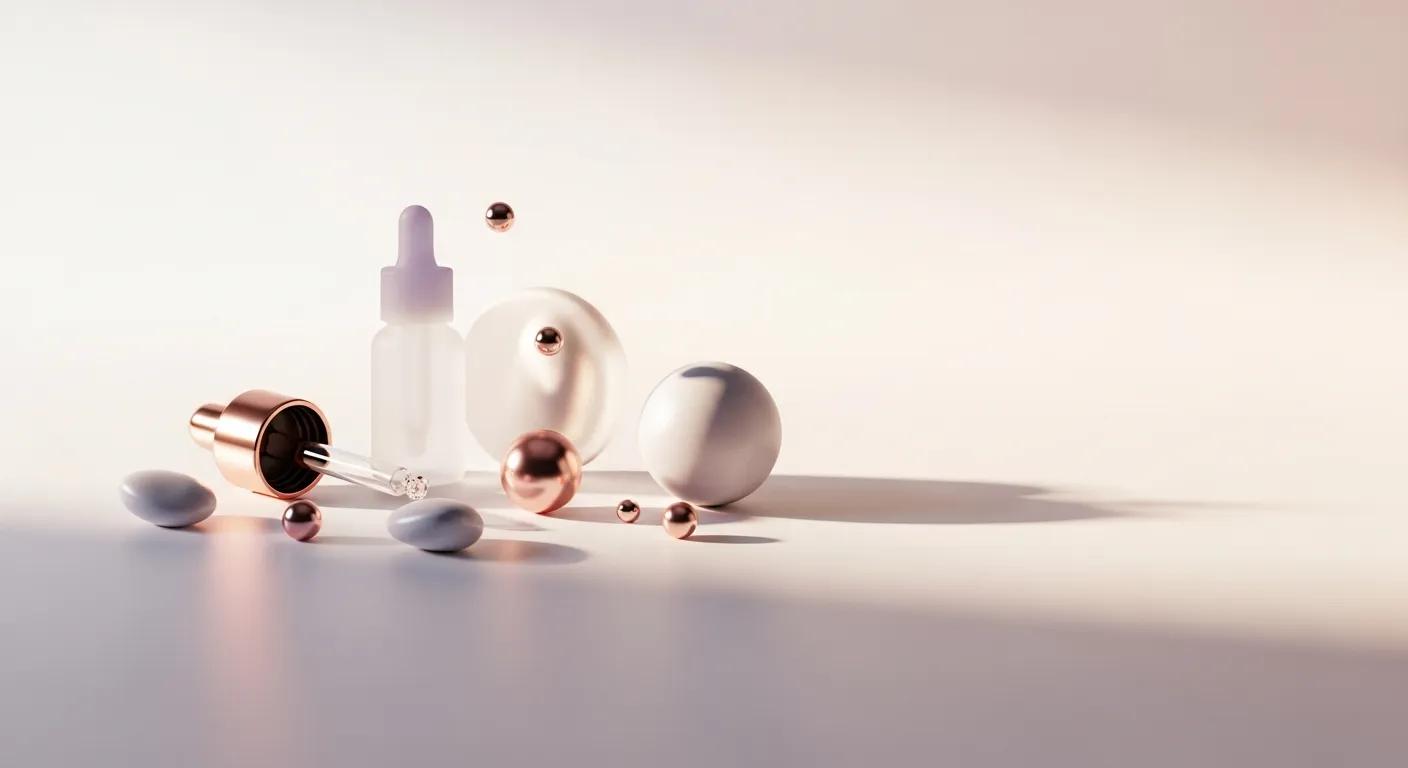
Private label cosmetics let beauty entrepreneurs build their own brand without managing manufacturing. This guide explains the essentials of starting and growing a custom beauty brand focused on private label products. You will learn the differences between private label and white label items, the benefits of launching a makeup or skincare line, and how to market and scale your business. Many aspiring entrepreneurs struggle in a competitive landscape; with clear strategies and practical insights you can establish a strong presence. This article covers choosing manufacturers, branding, and targeted marketing techniques for millennial female entrepreneurs.
What Are Private Label Cosmetics and How Do They Empower Beauty Entrepreneurs?
Private label cosmetics are produced by one company for another brand to sell under its name. This model lets entrepreneurs offer distinctive products without in‑house production. Using private label suppliers lets you focus on branding and marketing while relying on established manufacturing processes. The approach reduces overhead and gives the flexibility to adapt product lines quickly to market trends.
Understanding Private Label vs. White Label Cosmetics
Private label and white label cosmetics differ mainly in branding and formulation. Private label products are developed for a single retailer, allowing unique branding and often custom formulas. White label products are generic items that multiple retailers can rebrand with minimal change. Choosing private label helps you build a distinct identity that resonates with customers and strengthens loyalty.
Benefits of Launching a Custom Makeup or Skincare Brand
Launching a custom makeup or skincare brand delivers three practical advantages. You gain control over formulation to meet specific customer needs. Custom products build stronger loyalty because consumers connect with unique offerings. They also allow higher margins, since exclusivity supports premium pricing. Demand for personalised and distinctive beauty products is rising, making this a favourable time to enter the market.
How to Choose the Right Private Label Makeup Manufacturers and Suppliers?
Selecting the right private label manufacturers and suppliers is critical to brand success. Evaluate partners on quality, regulatory compliance, cost, and their ability to scale production as demand grows.
Key Factors When Selecting Private Label Skincare and Makeup Manufacturers
When choosing manufacturers, prioritise quality assurance and compliance with safety standards that vary by region. Cost affects profitability, so review pricing carefully. Confirm production capabilities and scalability to ensure the manufacturer can meet rising demand.
Beyond production, understand regulatory bodies such as the FDA and FTC to ensure compliant product development and truthful marketing.
FDA & FTC Regulation of Cosmetic Labeling
The Food and Drug Administration (FDA) would zealously regulate the composition and labeling of cosmetics and OTC drugs. The Federal Trade Commission (FTC) would equally
Regulatory risks of marketing drugs and cosmetics, 1987
Comparing White Label Cosmetics Suppliers: What to Look For
When evaluating white label suppliers, check their reputation and client reviews. Review the supplier's product range to confirm it supports your brand strategy. Understand pricing structures so you can protect profit margins while delivering quality products.
What Are Essential Branding and Packaging Strategies for Your Beauty Brand?
Branding and packaging are core to standing out. A clear brand identity differentiates your product, while well‑designed packaging increases appeal and helps meet regulatory requirements.
Creating a Unique Brand Identity for Your Custom Makeup Line
Create a distinct brand identity by defining your mission, values, and visual system. Align these elements with customer expectations and use social channels to strengthen recognition and loyalty.
Packaging Compliance and Design Tips for Private Label Cosmetics
Packaging compliance is essential. Learn the labeling laws and requirements in your target markets to avoid delays or fines.
Ensure product safety and follow regional regulations, especially European Union rules, before entering those markets.
Cosmetic Product Safety & EU Regulatory Compliance
Cosmetic producers are obliged to guarantee the safety and stability of their products. The current legal regulations are based on the European Union Directive (1223/2009) of 30 November 2009. The main aim of the directive is to formulate criteria of safety of a cosmetic product and requirements that it must meet to be placed on the market. A new cosmetic product is subjected to thorough investigation prior to its introduction on the market. It should be studied not only with respect to its safety, but also with respect to its effectiveness declared by the producer.
Natural cosmetics, 2012
Consider current design trends and sustainable packaging options. Consumers increasingly prefer eco‑friendly choices, which can enhance brand perception.
How to Market and Scale Your Private Label Beauty Brand Successfully?
Marketing drives growth. Develop a multi‑channel strategy to reach your audience, build awareness, and convert interest into sales.
Effective Marketing Strategies Tailored for Millennial Female Entrepreneurs
Millennial female entrepreneurs should prioritise visual platforms like Instagram and TikTok to showcase products. Use influencer partnerships to extend reach and content marketing—blogs and tutorials—to provide value and build expertise.
Integrating E-commerce to Expand Your Private Label Cosmetics Business
Integrate e‑commerce to widen your reach. Choose a platform that streamlines operations, offer user‑friendly payment options, and optimise the shopping experience with intuitive design and reliable customer support.
Frequently Asked Questions
What are the key differences between private label and white label cosmetics?
Private label cosmetics are specifically created for a single retailer, allowing for unique branding and often custom formulations tailored to that brand's identity. In contrast, white label products are generic items produced by manufacturers that multiple retailers can rebrand with minimal changes. This means private label products offer more exclusivity and the ability to create a distinct market presence, while white label products are typically easier to source and may be less expensive.
How can I effectively scale my private label beauty brand?
To scale your private label beauty brand, focus on building a strong online presence through e-commerce and social media. Invest in digital marketing strategies that target your audience effectively. Additionally, consider expanding your product line based on customer feedback and market trends. Establishing partnerships with influencers can also help increase brand visibility. Finally, ensure your manufacturing partners can accommodate increased production demands as your sales grow.
What are the best practices for compliance with cosmetic regulations?
Compliance with cosmetic regulations involves understanding the specific laws governing your target markets. Familiarize yourself with the FDA guidelines in the U.S. or the EU regulations for cosmetics. Ensure that your products are tested for safety and efficacy before launch. Proper labeling is crucial, including ingredient lists and usage instructions. Regularly review and update your compliance practices to align with any changes in regulations to avoid legal issues and maintain consumer trust.
How important is sustainability in the beauty industry today?
Sustainability is increasingly important in the beauty industry as consumers become more environmentally conscious. Brands that adopt eco-friendly practices, such as using sustainable packaging and ethically sourced ingredients, can enhance their appeal and differentiate themselves in a crowded market. Implementing sustainable practices not only attracts eco-minded consumers but also contributes to a positive brand image and can lead to increased customer loyalty and sales.
What marketing channels are most effective for beauty brands targeting millennials?
For beauty brands targeting millennials, visual platforms like Instagram and TikTok are particularly effective. These channels allow brands to showcase products through engaging visuals, tutorials, and influencer collaborations. Additionally, content marketing through blogs and videos can provide valuable information and build brand authority. Email marketing remains a strong channel for direct communication and promotions, while leveraging user-generated content can enhance authenticity and trust among potential customers.
What should I consider when developing my beauty brand's mission and values?
When developing your beauty brand's mission and values, consider what sets your brand apart and how you want to resonate with your target audience. Reflect on your personal beliefs and the impact you want your brand to have on consumers and the environment. Ensure that your mission aligns with customer expectations and market trends. Clearly articulating your values can help build a loyal customer base and guide your branding and marketing strategies effectively.
What are the initial steps to take when starting a custom beauty brand?
Begin with market research to define your target audience and needs. Develop a clear brand concept that states your mission, values, and initial product line. Select private label manufacturers that match your quality standards. Create a marketing plan using social media and influencers to build awareness. Finally, confirm compliance with local cosmetics regulations to avoid legal issues.
How can I ensure the quality of my private label cosmetics?
Ensure quality by choosing manufacturers known for strict quality assurance. Request product samples to test performance and safety. Know industry standards and regulations such as FDA or EU guidelines. Maintain regular communication about quality control and consider third‑party testing before launch.
What are some effective ways to build brand loyalty in the beauty industry?
Build loyalty by creating emotional connections through personalised marketing and tailored recommendations. Engage your audience on social media and respond to feedback. Offer loyalty programs, exclusive offers, and high‑quality customer service. Consistently deliver innovative, effective products to retain customers.
What role does packaging play in the success of a beauty brand?
Packaging is often the first interaction consumers have with your brand. Attractive, functional packaging raises perceived value and influences purchase decisions. Complying with labeling rules avoids legal risks. Sustainable packaging is increasingly preferred and can set your brand apart.
How can I effectively use social media to market my beauty brand?
Use platforms where your audience is active—Instagram and TikTok are key for beauty brands. Produce high‑quality visuals, tutorials, and user‑generated content. Partner with influencers whose followers match your target market. Engage directly with followers and track metrics to refine your approach.
What are the common challenges faced by beauty entrepreneurs?
Common challenges include intense competition and the need to differentiate your brand. Regulatory compliance can be complex. Securing reliable suppliers and managing production costs affects profitability. Marketing on a limited budget and keeping up with fast‑moving trends demand agility and continuous innovation.
Conclusion
Private label cosmetics let entrepreneurs create unique products while reducing manufacturing burdens. Understanding private versus white label options helps you tailor offerings to customer demand. Combine strategic marketing and e‑commerce to increase visibility and growth. Start today: explore available resources and consult industry experts to bring your beauty vision to market.
About Us
Brand your success with personalized promotional merchandise that captivates your audience.
Contact Us
1105 Stonewall Street Suite 505C, Garland TX 75043
Phone: (469) 754-9678
Email: [email protected]
Copyright© 2026 Brittney Brands LLC - All Rights Reserved.
Facebook
Instagram
Youtube